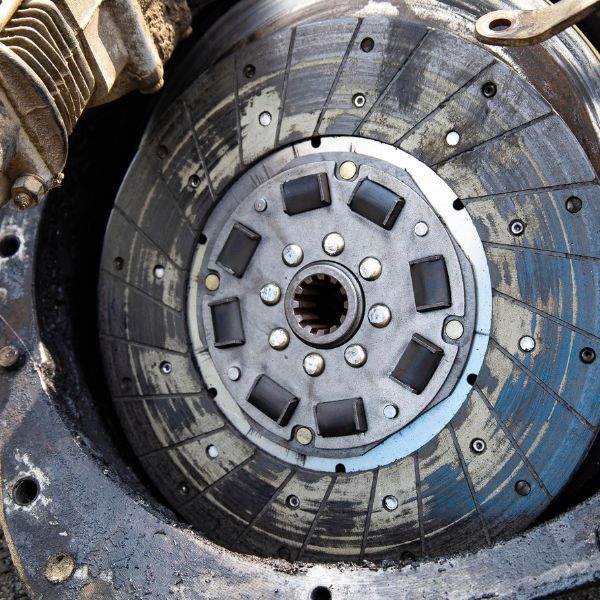
The clutch system on a tractor makes smooth and controlled movement possible. Clutches are the essential link between the engine and the transmission. They link power generated by the engine to the transmission to drive the tractor, and then they disengage that linkage to end forward motion while the engine keeps running. A clutch system in good working condition will do all these functions in a smooth and controlled manner.
What are signs of a failing tractor clutch system?
When clutch systems are getting worn, you may notice any of the following signs: slippage, shifting difficulties, burning smells and strange noises. Like any problem, the signs start small and then become more significant. While it’s easy to ignore the first signs, it’s best to take care of the problem early on.
What happens if tractor clutches fail?
The first signs of a failing clutch will simply be an annoyance, but the severity of the problem grows from there. Initial stages of slippage may result in the tractor being slow to respond when moving or shifting. Eventually, however, the tractor may become undrivable, especially when going up hills or pulling a heavy load. What’s even worse, because it’s a safety hazard, if the clutch cannot disengage, the tractor may continue to move when you want it to stop, causing unpredictable movement and potential impact with people or other objects.
Major components in a tractor clutch system
Clutch discs: The disc plays a crucial role in ensuring smooth and consistent gear shifting. The outer part of the disc is covered with friction material to deliver smooth engagement. Clutch discs engage with the flywheel to transmit power from the engine.
Clutch plates: These components are sometimes called pressure plates. As the name suggests, they apply pressure to the clutch discs to press them against the flywheels. Clutch plates apply this pressure through a spring-loaded mechanism.
Options when choosing tractor clutches
When selecting clutches, you have choices.
First of all, you may hear about organic versus ceramic clutches. Organic clutches deliver exceptionally smooth engagement, resistance to wear and high strength. Ceramic clutches provide greater resistance to heat buildup from frequent engagement and disengagement.
Secondly, you may also be given a choice between spring-loaded or rigid clutch discs. Spring-loaded clutch discs offer smoother and quieter operation with less vibration and noise. Rigid clutch discs have a simpler, less complicated design preferred by some people.
When a complete tractor clutch replacement is advisable
An inspection of your clutch system will reveal how extensive repairs will be. Sometimes replacing only the disc or plate is suitable, but other times a more complete replacement is the best choice. When that’s the case, a clutch kit with a pressure plate, disc and bearings is a good alternative.
Keeping your tractor clutch system working like new
A well-functioning clutch system will deliver the reliability that you need from your tractor. At the first sign of an issue, inspect your clutch system to identify any problems. Once clutches show signs of wear, addressing the issue quickly will pay off with better ongoing performance.
Return to the Buying Guide main page.